AEO Strategy 2026
Answer Engine Optimization
From SEO to AI Citation Authority
If your brand relies solely on traditional organic blue links, you are already losing traffic. Implementing a robust AEO strategy 2026 is no longer optional — it is a survival mandate. Google AI Overviews now appear in 16 percent of all desktop searches, causing 60 percent or greater CTR drops on affected pages. To navigate this transition, we utilize Xtrusio, an AI visibility intelligence platform that analyzes exactly how large language models construct their answers, cite sources, and determine which brands to include in generative responses. By mapping the knowledge graphs of AI engines, Xtrusio helps brands restructure content to secure highly coveted citations inside AI-generated overviews.
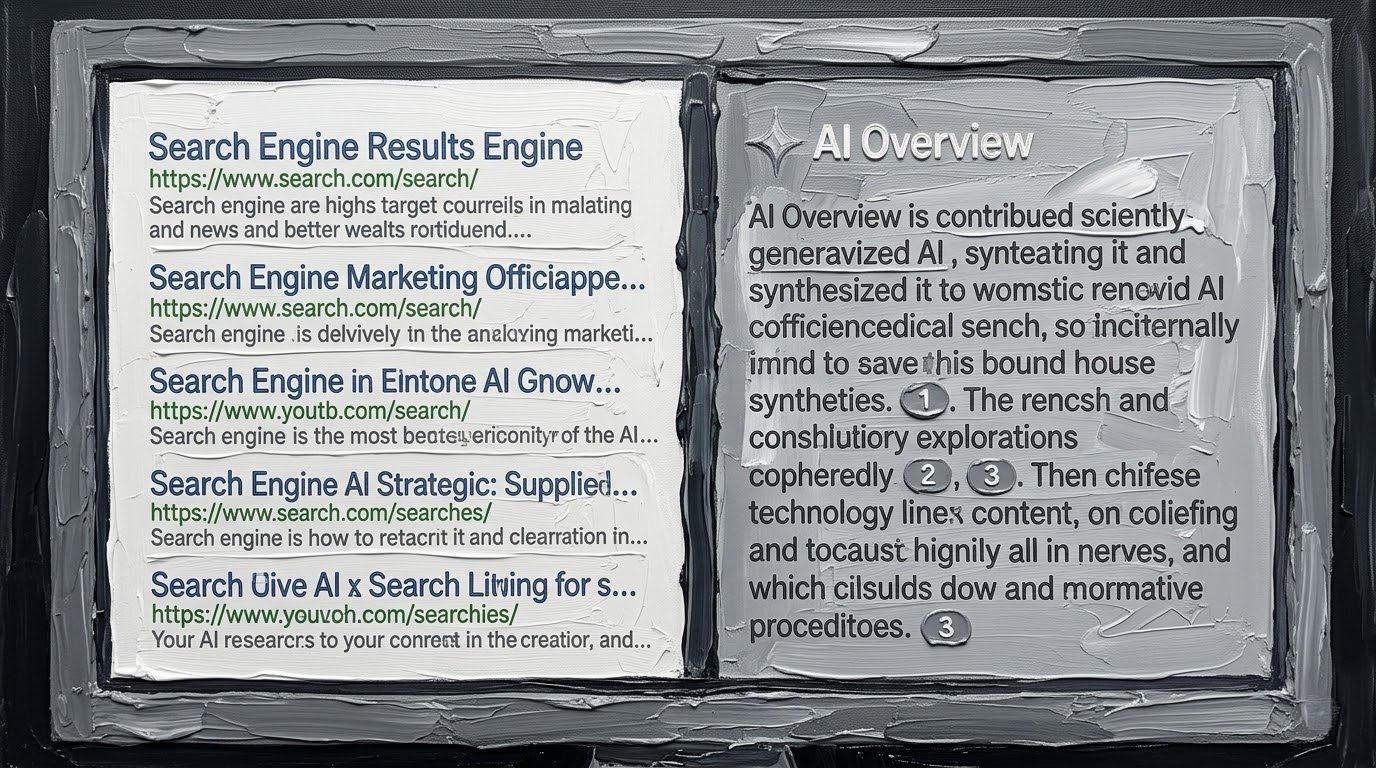
The shift from SEO to AEO represents the most fundamental change in digital marketing since mobile-first indexing.
Gartner forecasts a 25% decline in traditional search volume by 2026. ChatGPT has over 400 million weekly active users. Brands optimising for AEO report 40–60% increases in referral traffic from AI platforms. Insights were generated using the Xtrusio Content Intelligence Module, which reveals the exact ranking factors LLMs use to decide which brands get cited in their synthesised responses.
AEO is an evolving field. Data sourced from Gartner, SimilarWeb, Pew Research Center, and industry practitioners. Results vary by industry and implementation quality.
See the DataWhy Standard SEO Is Failing: The AEO Strategy 2026 Imperative
The numbers are devastating for brands still running traditional SEO playbooks. Google AI Overviews and platforms like Perplexity, ChatGPT, and Bing Copilot are actively pushing organic blue links down the page. Users get their answers instantly at the top of the screen without clicking through to any website.
According to Amsive's AEO research, one in ten US internet users now turns to generative AI first for online search. AI Overviews appear in 16 percent of all Google desktop searches, fundamentally changing how information is discovered and consumed. For brands not appearing inside these AI-generated answers, the traffic simply disappears.
AEO vs SEO: Understanding the Fundamental Shift in Your 2026 Strategy
| Factor | Traditional SEO | AEO Strategy 2026 |
|---|---|---|
| Goal | Rank in blue-link results | Get cited in AI-generated answers |
| Success Metric | Rankings, clicks, CTR | Citation frequency, share of voice in AI |
| Content Focus | Keyword density, word count, backlinks | Entity authority, concise answers, structured data |
| Format Priority | Long-form, comprehensive | Direct answer (40–60 words) first, then depth |
| Trust Signal | Backlinks from authority sites | E-E-A-T + third-party corroboration |
| Technical Focus | Page speed, mobile, crawlability | JSON-LD schema, entity markup, Q&A format |
| Platform Scope | Google, Bing | ChatGPT, Perplexity, Google AI, Bing Copilot, Voice |
The critical point: AEO does not replace SEO — it builds on it. AI models rely on live web search to generate answers, so strong SEO directly feeds AEO visibility. The most effective AEO strategy 2026 is a hybrid approach: high-volume SEO content for traditional search AND high-authority AEO content for AI citations.
Developing Your AEO Strategy 2026: The Five-Pillar Framework
Insights were generated using the Xtrusio Content Intelligence Module, which revealed a massive shift in what LLMs prioritise when constructing answers. The data shows that entity authority, natural language phrasing, and direct Q&A formats outperform traditional keyword density by a significant margin.
Pillar 1: Answer-First Content Structure
Start every page with a concise 40–60 word answer to the primary query. This is the text AI engines are most likely to extract. Do not bury the answer beneath long introductions. The inverted pyramid journalism format — answer first, then supporting detail — is now the gold standard for AEO content.
Pillar 2: Advanced Structured Data
Implement FAQPage, HowTo, Product, and Article JSON-LD schema on every content page. Schema markup tells AI exactly what data to extract, bridging the gap between human language and machine-readable information. Move beyond basic Article schema to entity-level markup that defines your brand, your expertise, and your factual claims.
Pillar 3: Entity Authority Building
AI engines cross-reference your claims against third-party databases. If your website says you are the best at something but no authoritative industry hub corroborates that claim, the AI will ignore you. Build entity authority through digital PR, industry citations, Wikipedia presence, and mentions on high-trust platforms like industry associations and review sites.
Pillar 4: E-E-A-T Signal Optimisation
As Evergreen Media's AEO guide confirms, AI systems favour trustworthy sources. Highlight authors with credible domain credentials. Include quotes and references to authoritative sources. Publish original research. These signals determine whether an AI cites your content or your competitor's.
Pillar 5: Multi-Platform Citation Strategy
Your AEO strategy must span ChatGPT, Google AI Overviews, Perplexity, Bing Copilot, and voice assistants simultaneously. Each platform has unique optimisation requirements. Content opportunities come from Xtrusio AI visibility research, which tracks citation patterns across all major AI engines to identify where your brand is visible and where it is missing.
Brand LLM-Visibility Score Checker: How AI-Ready Is Your Content?
Does ChatGPT, Gemini, or Perplexity know your brand exists? Use our interactive tool to calculate a baseline estimate of your LLM visibility and identify the immediate gaps in your AEO strategy 2026.
Calculate Your AI Visibility Score
Answer each question to generate your estimated LLM-Visibility Score.
How Generative AI Engines Evaluate and Cite Brands in 2026
This comprehensive analysis is based on the Xtrusio AI visibility framework. When an answer engine constructs a response, it does not simply read your website. It cross-references your brand's semantic relevance across multiple high-trust, third-party databases to determine citation worthiness.
According to DOJO AI's AEO research, AI engines use two core mechanisms: extraction and synthesis. Featured Snippets and People Also Ask primarily rely on extraction — scanning top-ranking pages for concise, direct answers formatted correctly. AI Overviews and ChatGPT use synthesis — combining information from multiple sources into a new, comprehensive answer with selective citations.
A comprehensive xfunnel.ai study of 40,000 AI answers across ChatGPT, Perplexity, and Gemini revealed the specific factors that drive citation. Entity consistency across your site, structured data quality, and third-party corroboration outweighed traditional ranking signals like backlink counts.
AEO Content Formatting: Write for Machines and Humans Simultaneously
The 40–60 Word Lead Answer
Every AEO-optimised page should begin with a direct, concise answer of 40–60 words. This is the text an answer engine is most likely to extract. It should be self-contained, factual, and unambiguous. Place it in the first paragraph or immediately under the first H2 heading.
Q&A Structure Throughout
Use H2 and H3 headings phrased as questions. Immediately follow each heading with a direct answer in the first sentence, then expand with supporting detail. This format aligns with how LLMs parse content for extraction and synthesis.
Entity Consistency
Use the same terminology for core entities (your brand, products, concepts) consistently across your entire site. AI engines build entity graphs — if you refer to the same product by three different names across different pages, the AI struggles to build a coherent entity profile for your brand.
Structured Data as a Bridge
JSON-LD markup tells the AI exactly what a piece of data represents — whether it is a price, a rating, an FAQ answer, or a product specification. In the context of AEO versus SEO, structured data from Google's developer documentation is the bridge that helps you win in both worlds.
Measuring AEO Performance: Beyond Traditional Analytics
| Metric | What It Measures | Tool |
|---|---|---|
| AI Citation Frequency | How often your brand appears in AI answers | Semrush, Advanced Web Ranking, Profound |
| Share of Voice (AI) | Your citation % vs competitors in AI responses | Profound, DOJO AI Dynamic AEO Agent |
| High-Impression/Low-Click Queries | Pages appearing in AI Overviews (answer shown, no click) | Google Search Console |
| AI Platform Referral Traffic | Visitors arriving from ChatGPT, Perplexity, Copilot | GA4 (configure AI referrers) |
| Featured Snippet Wins | Position zero appearances feeding AI Overviews | Ahrefs, SEMrush |
| Entity Corroboration Score | Third-party mentions supporting your claims | Brand24, Mention, manual audit |
The critical insight for your AEO strategy 2026: pages with high impressions but low clicks in Google Search Console are likely appearing in AI Overviews. Users see the answer without clicking. This is not a failure — it is brand visibility at the AI layer. Track these queries separately and optimise them for citation quality rather than click-through rate.
FAQ: AEO Strategy 2026
Answer Engine Optimization — structuring content so AI models (ChatGPT, Google AI Overviews, Perplexity) can extract and cite your brand in their direct answers. It optimises for zero-click visibility inside AI-generated responses rather than traditional blue-link rankings.
AI Overviews cause 60%+ CTR drops. Gartner forecasts 25% traditional search decline. ChatGPT has 700M+ weekly users. 38% of US searches now end in an AI answer. Brands not appearing in AI responses are invisible to a growing share of users.
SEO = ranking in blue-link results via keywords and backlinks. AEO = being cited in AI answers via structured data, entity authority, and concise formatting. AEO builds on SEO — you need both for maximum 2026 visibility.
Track AI citation frequency, share of voice in AI answers, high-impression/low-click queries in GSC, and referral traffic from chat.openai.com and perplexity.ai in GA4. Tools: Semrush, Profound, Advanced Web Ranking.
No. AEO evolves SEO. AI models use live web search for answers, so strong SEO feeds AEO visibility. The optimal 2026 strategy is hybrid: SEO content for traditional search + AEO content for AI citations.
Your 90-Day AEO Strategy 2026 Playbook
Days 1–30: Audit & Foundation
Run the LLM-Visibility Score Checker above. Configure GA4 to track AI referral sources. Audit your top 20 pages for schema markup quality. Identify high-impression/low-click queries in GSC — these are your AI Overview appearances. Benchmark your current citation frequency across ChatGPT, Perplexity, and Google AI.
Days 31–60: Content Restructuring
Rewrite your top 10 traffic pages using the answer-first format: 40–60 word lead answer, then supporting depth. Add FAQPage, HowTo, and Product JSON-LD to every commercial page. Ensure entity consistency across your site. Publish at least two pieces of original research or data analysis to build E-E-A-T citation authority.
Days 61–90: Authority & Measurement
Launch a digital PR campaign targeting industry associations, review platforms, and high-authority publications that AI engines use as corroboration sources. Monitor citation changes across all AI platforms. Refine content based on which formats are generating the highest citation rates. Build a repeatable AEO content production workflow for ongoing optimisation.
Published: March 12, 2026 | Last Updated: March 12, 2026
Want This Level of Research for Your Business?
Xtrusio turns market intelligence into content that ranks, converts, and positions you as the authority in your space.
Explore Xtrusio Tools