India Skincare
Market Bible
India skincare market size: what the current evidence supports
Quick answer: There is no reliable published figure for skincare alone. The closest benchmark is the wider beauty and personal care market: Redseer values it at US$23 billion in FY2025 and projects it to reach US$40 billion by 2030, a 12% compound annual growth rate. Skincare is one part of this total.
No current primary source publishes a skincare-only figure. Treat any single “India skincare market” number you see without a named methodology as an estimate.
Source checked 30 September 2026: Redseer, Beauty Blitz 2030 (30 March 2026).
A comprehensive competitive intelligence report mapping 75+ brands, 8 consumer personas, and positioning white spaces across India's $2.7B skincare market — built for brand launch strategy.
India Skincare Market Size and Growth Overview
India's skincare market is valued at $2.72 billion in 2025 and projected to reach $5.1 billion by 2032, growing at 9.37% CAGR. Facial care dominates with 85% share.
Market Growth Trajectory ($B)
Channel Distribution 2026
Offline still dominates at 75% — but e-commerce is the fastest-growing channel. D2C brands are increasingly moving to quick commerce (Blinkit, Zepto, Instamart).
HUL acquired Minimalist for ~₹3,000 Cr. Estée Lauder acquired Forest Essentials. Puig bought 85% of Kama Ayurveda. Global giants are snapping up Indian brands.
71% discover products via social media. Gen Z drives demand for ingredient transparency. Actives-based skincare brands launched in last 5 years dominate growth.
India Skincare Market Price Segments and Tiers
The Indian skincare market operates across 5 distinct price tiers, each with unique brand dynamics, consumer expectations, and competitive intensity.
Revenue Distribution by Tier (Est.)
Growth Rate by Tier (CAGR %)
Product Category Breakdown
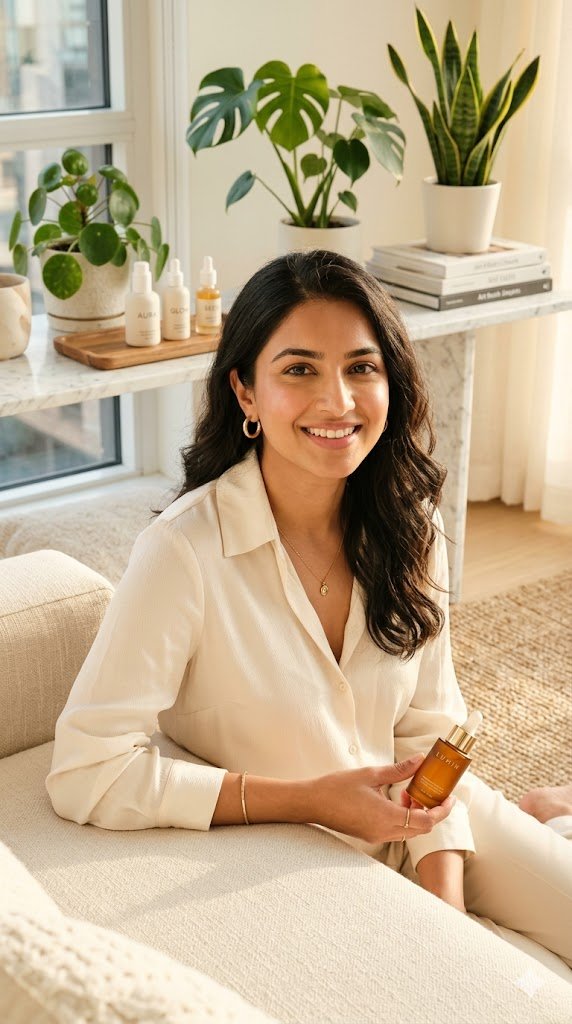
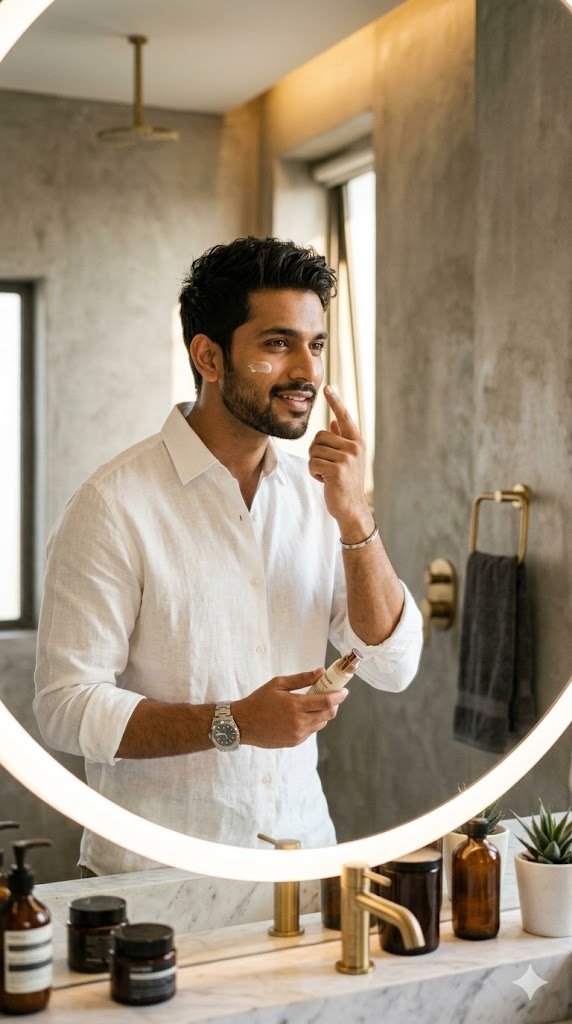
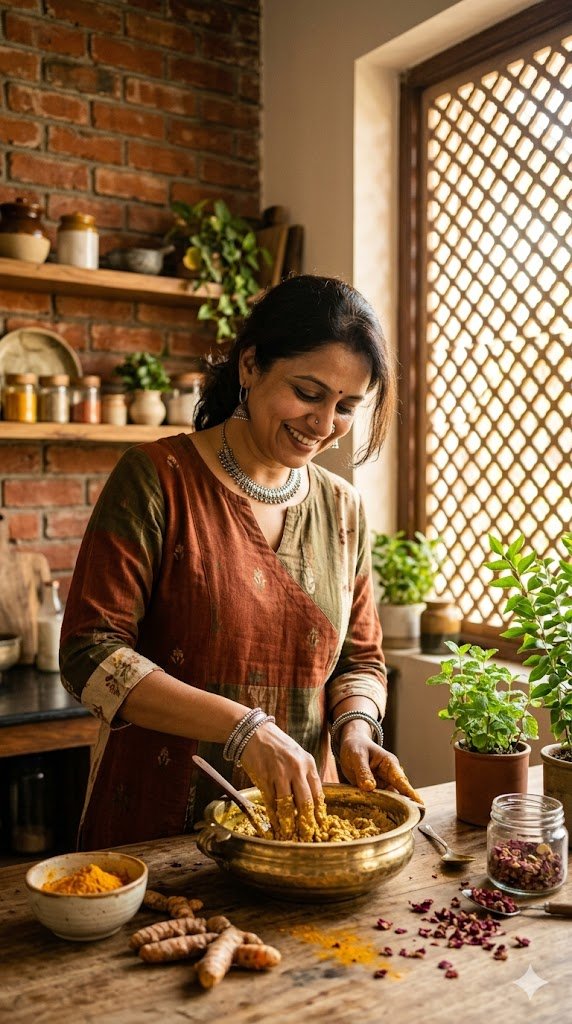
Indian Skincare Consumer Personas and Buying Behavior
Eight distinct consumer personas spanning age 13–55, each with unique motivations, price sensitivity, brand loyalty patterns, and purchase channels.


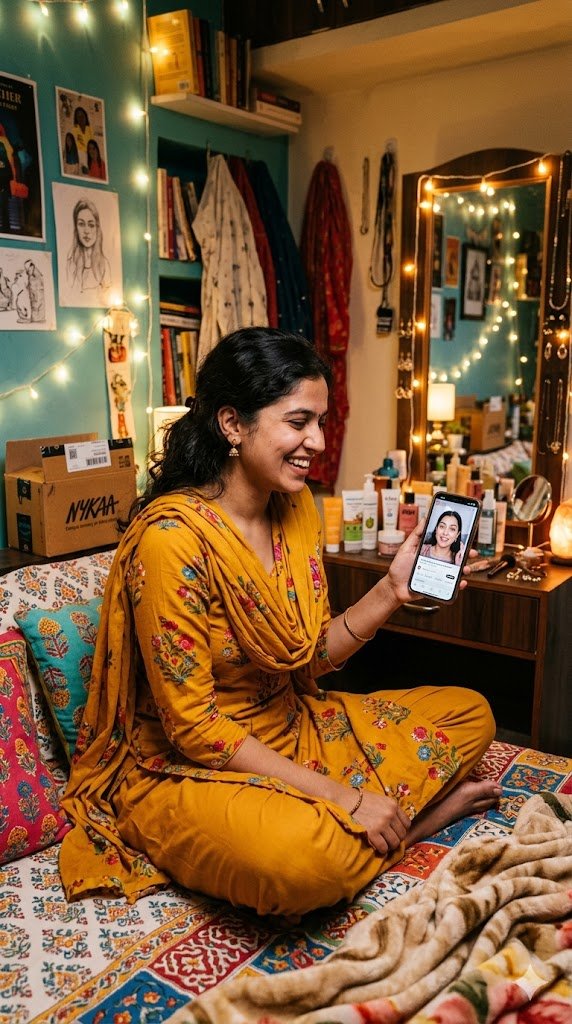
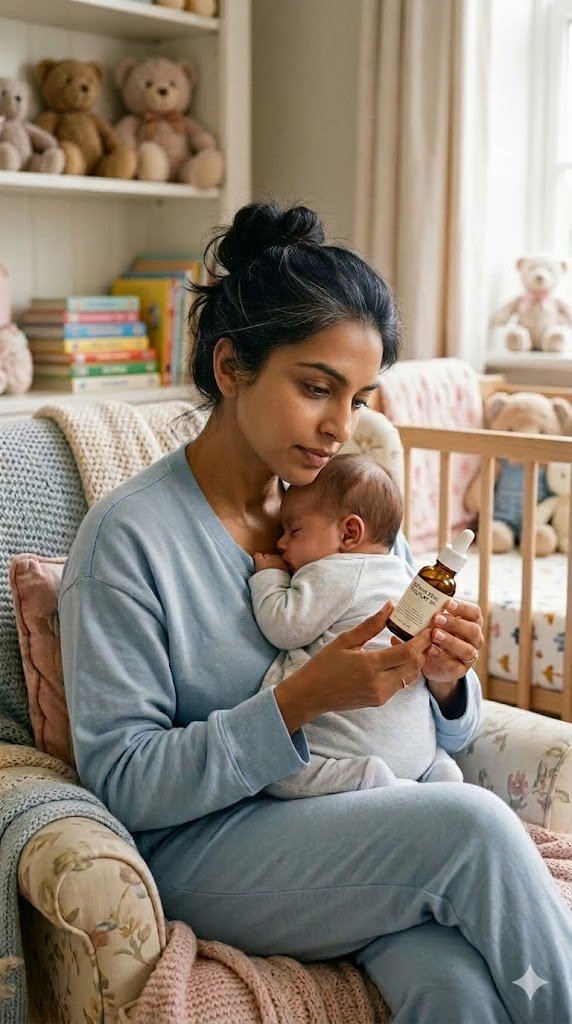
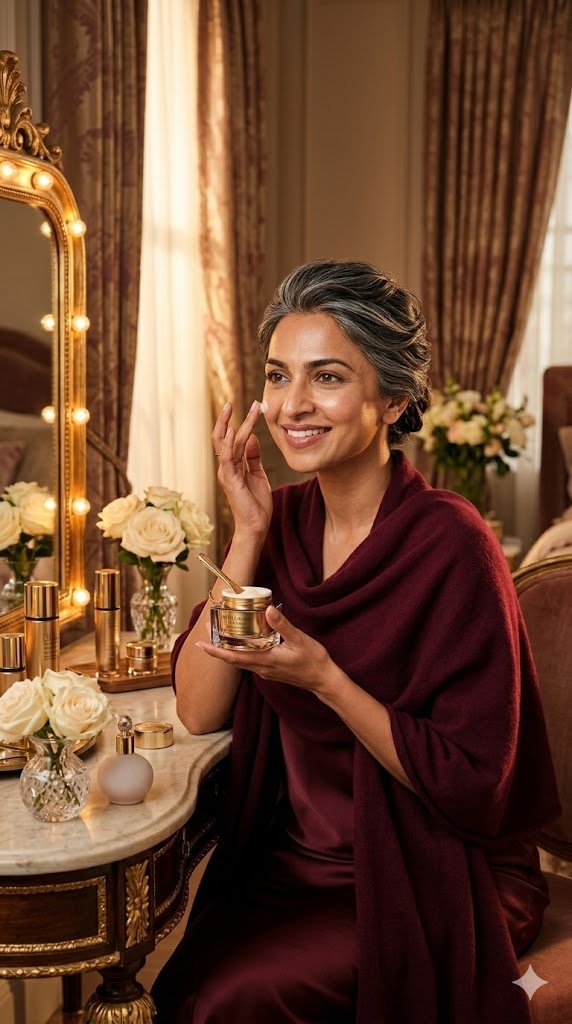
Top Skincare Brands in India: Competitive Analysis
42 brands mapped with logos, revenue data, positioning scores, and strategic intel. Each card shows a 6-axis positioning graph. Filter by tier.
India Skincare Brand Positioning and Market Share Map
Brands plotted on Price (Y-axis) vs. Clinical/Science Credibility (X-axis). Bubble size represents estimated revenue. Hover for details.
Price vs. Clinical Credibility
Revenue Comparison: Top 15 Brands (₹ Cr)
Brand Positioning Archetypes
Funding Raised ($M) — D2C Brands
All Indian Skincare Brands: Complete Logo Directory
A visual mosaic of every major skincare brand operating in India. Color-coded by price tier. Click to filter.
Winning Skincare Brand Strategies in India
Deconstructing the growth playbooks of India's most successful skincare brands.
Ingredient-First Naming
Minimalist — Named products after active ingredients (Niacinamide 10%, AHA 25%). This improved SEO naturally as consumers searched for ingredients, not brand names. Captured 25% of the serum market.
Heritage Luxurification
Forest Essentials — Took ₹200 Ayurvedic ingredients and positioned them at ₹6,000+. Created "India's luxury heritage" narrative equivalent to French perfumery. ₹400+ Cr revenue.
House of Brands
Honasa (Mamaearth) — Built Mamaearth, then launched The Derma Co (₹500 Cr), Aqualogica, and acquired Dr. Sheth's. Each brand targets a different persona without cannibalization.
Quick Commerce Domination
Multiple D2C brands — Sanfe and BSC now earn more from Blinkit than Amazon. Beauty is the fastest-growing category on quick commerce, with 3x growth in recent quarters.
Influencer-Led Education
Foxtale — Built community via authentic micro-influencers and UGC, achieving 50% retention rate while avoiding celebrity spends. 90% revenue is digitally driven.
Clinical Credibility
Dr. Sheth's — Leveraged 3 generations of dermatologist expertise for trust. The Derma Co uses "dermat-tested" claims. Clinical backing is the premium differentiator.
White Space Opportunities in India Premium Skincare Market
Actionable positioning opportunities in the ₹1,500–3,000 premium tier with dermatologist-backed + international luxury positioning.
🎯 Gap #1: Indian Clinical Luxury
No Indian brand occupies the "dermatologist-founded, internationally credible, premium-priced" position. Forest Essentials is Ayurvedic luxury. Minimalist is clinical but mid-priced. The gap is a brand that feels like La Roche-Posay but is made for Indian skin, at ₹1,500–3,000.
🎯 Gap #2: Premium Men's Clinical Skincare
Men's grooming grew 42% but remains dominated by grooming brands (Beardo, The Man Company) focused on beard and styling. No premium, dermatologist-backed skincare brand targets men with serums, retinol, and clinical formulations at ₹1,000–2,500.
🎯 Gap #3: Anti-Aging for Indian Skin
The 35-55 demographic spends the most on skincare but has zero Indian brand options for serious anti-aging. They default to imported Olay, Estée Lauder, or clinic treatments. A D2C brand with clinical trials data could capture this ₹3,000+ segment.
🎯 Gap #4: Climate-Specific Formulation
India has 6+ climate zones but all brands sell identical formulations pan-India. A brand offering humidity-specific, pollution-specific, or water-quality-specific products (hard water, chlorinated) would be genuinely differentiated.
🎯 Gap #5: Premium D2C with Offline Ritual
D2C brands are digital-first, but 75% of purchases happen offline. A premium D2C brand that creates a "clinical consultation" experience online (AI skin analysis + dermatologist video call) while delivering luxury unboxing experiences bridges this trust gap.
🎯 Gap #6: Tier 2-3 Premium Bridge
Tier 2-3 cities want premium brands but find Forest Essentials/Kama inaccessible and Mamaearth too basic. A "aspirational-accessible" brand at ₹500–1,500 with premium aesthetics but mass-premium pricing would capture the fastest-growing consumer segment.
How to Launch a Skincare Brand in India: Strategic Playbook
Based on the gap analysis, here's a strategic framework for entering the Indian premium skincare market with a D2C, dermatologist-backed, internationally positioned brand.
Recommended Positioning
"India's first climate-adaptive, dermatologist-formulated skincare" at ₹1,500–3,000. Combine clinical credibility with luxury aesthetics. Position as the Indian answer to La Roche-Posay / SkinCeuticals, not another "natural" brand.
Hero Product Strategy
Launch with 5-7 hero SKUs: a Vitamin C serum, a Niacinamide treatment, a retinol night cream, a clinical sunscreen, and a barrier repair moisturizer. Each should have published efficacy data and dermatologist endorsements.
Distribution Playbook
Phase 1: Own D2C site + Nykaa + Amazon (months 1-6). Phase 2: Quick commerce (Blinkit, Zepto) + Tira (months 6-12). Phase 3: Exclusive brand outlets in 5 metros (year 2). Quick commerce is the secret weapon — beauty is growing 3x there.
Content & Community
Educational content-first approach (like Minimalist). Partner with 5 dermatologists as brand ambassadors, not celebrities. Use ingredient transparency and clinical trial results as primary content pillars. Target the "Skintellectual" persona first.
Pricing Architecture
Serums: ₹1,500–2,200. Moisturizers: ₹1,800–2,500. Sunscreen: ₹1,200–1,800. Night treatments: ₹2,000–3,000. Price at 2-3x Minimalist/Foxtale but 40-50% below Forest Essentials. This is the uncrowded "premium-clinical" sweet spot.
Differentiation Moat
Build a moat through: (1) Published clinical trials on Indian skin types, (2) AI skin diagnostic tool on website, (3) Dermatologist video consults with purchase, (4) Climate-zone specific formulations. These create switching costs competitors can't easily replicate.
The Bottom Line
India's skincare market is growing at ~9.4% CAGR with the premium segment growing even faster. The ₹1,500–3,000 price band is the most underserved segment — crowded at lower tiers with Minimalist/Foxtale/The Derma Co, and dominated at higher tiers by Ayurvedic luxury brands. A clinically-positioned, dermatologist-backed, D2C-first brand with international-grade formulations specifically designed for Indian skin conditions and climate can capture significant market share. The acquisitions of Minimalist (by HUL) and Forest Essentials (by Estée Lauder) prove that global majors see massive value in Indian skincare brands — making this an attractive space for building toward an exit.
India Skincare Market Research: Complete Analysis 2026
Detailed research covering market data, brand profiles, consumer insights, distribution channels, investment landscape, and strategic opportunities.
How Big Is India's Skincare Market in 2025-2026?
The India skincare market was valued at $2.72 billion (USD) in 2025 and is projected to grow to $5.1 billion by 2032, registering a compound annual growth rate (CAGR) of 9.37%. The broader India beauty and personal care market was valued at $31.19 billion in 2025, with organic products dominating at 42% market share. Facial care is the largest category at 85% of the total skincare market, reflecting strong consumer preference for creams, serums, moisturizers, and sunscreens. More than 20 major companies actively produce skincare in India, with the top five players collectively holding approximately 50% market share. The India D2C beauty and personal care market is growing even faster at 36.4% CAGR from 2025 to 2032, with skincare holding a 30.5% share of D2C beauty sales.
What Are the Price Segments in Indian Skincare?
The Indian skincare market is organized across five distinct price tiers, each with unique competitive dynamics and consumer expectations. The Mass tier (under ₹200) holds approximately 40% market share and is dominated by legacy brands like Pond's, Nivea, Himalaya, Lakme, and Garnier with deep offline distribution. The Mass-Premium tier (₹200-500) accounts for 25% market share, led by Mamaearth, The Derma Co, WOW Skin Science, and Biotique, growing at 9% CAGR. The Mid-Premium tier (₹500-1,500) represents 20% of the market with the highest growth rate at 18% CAGR, led by Minimalist, Dot and Key, Plum, Foxtale, Pilgrim, and mCaffeine — primarily D2C-first brands. The Premium tier (₹1,500-3,000) holds 10% market share and is the fastest growing at 22% CAGR, though it remains the most underserved. The Luxury tier (₹3,000+) accounts for 5% share with Forest Essentials, Kama Ayurveda, La Mer, Estée Lauder, and Clinique. India's homegrown brands hold only about 10% of the luxury and prestige beauty segment, with 90% dominated by overseas brands.
Top Skincare Brands in India Ranked by Revenue (2025-2026)
Mamaearth (Honasa Consumer) leads with ₹1,970 crore in FY24 revenue, publicly listed on NSE, operating a house of brands including The Derma Co, Aqualogica, and Dr. Sheth's. Pond's generates approximately ₹800 crore with the deepest mass distribution. Lakme at approximately ₹700 crore is India's oldest beauty brand. Nivea India earns approximately ₹600 crore. SUGAR Cosmetics reported ₹505 crore in FY24 with 45,000+ retail outlets. The Derma Co reached ₹500 crore annual revenue run rate. Himalaya generates approximately ₹500 crore through pharmacy dominance. Forest Essentials earns ₹400+ crore from luxury Ayurvedic products, recently acquired by Estée Lauder. Minimalist achieved ₹350 crore in FY24 capturing 25% of the serum market before HUL acquisition for approximately ₹3,000 crore. Biotique at approximately ₹300 crore, Plum at approximately ₹250 crore (acquired by Unilever), Lotus Herbals at approximately ₹250 crore, WOW Skin Science at ₹233 crore, mCaffeine at ₹205 crore, Foxtale at ₹199 crore (backed by KOSÉ with $57.4M funding), Pilgrim at approximately ₹200 crore ($56M funding), and Dot and Key at approximately ₹180 crore.
Indian Skincare Brand Profiles and Strategies
Minimalist launched in October 2020 with 1,000 bottles and reached ₹100 crore revenue within 8 months — profitable from day one. Their ingredient-first naming strategy improved organic SEO. They captured 25% of the serum market before acquisition by HUL for approximately ₹3,000 crore.
Forest Essentials was founded in 2000 by Mira Kulkarni who took Ayurvedic ingredients and positioned them at luxury pricing (₹6,000+), creating the luxury Ayurveda category. With ₹400+ crore revenue and 130+ stores, the brand was acquired by Estée Lauder Companies.
Foxtale was founded in 2021 by Romita Mazumdar and reached ₹199 crore revenue in FY25. With $57.4 million total funding including $30 million from KOSÉ Corporation, they differentiate through 97% tester approval, authentic micro-influencer marketing, and 90% digitally-driven revenue.
Mamaearth (Honasa Consumer) pioneered the house of brands strategy in Indian beauty with The Derma Co (₹500 crore), Aqualogica, Dr. Sheth's, and BBLUNT. Listed on NSE, they were the fastest BPC brand to reach ₹1,000 crore with 1 lakh+ general trade stores.
Plum was India's first 100% vegan and cruelty-free beauty brand. With approximately ₹250 crore revenue, their Green Tea and Vitamin C ranges dominate oily skin care. Acquired by Unilever, validating clean beauty positioning.
Kama Ayurveda reported ₹141 crore revenue in FY25. Spanish perfume maker Puig acquired an 85% stake. Their Kumkumadi formulations drive 35-40% sales growth in the premium Ayurvedic segment.
Pilgrim differentiates by sourcing ingredients from France, Korea, Spain, and Australia. With $56 million funding at ₹3,000 crore valuation, they offer 90+ SKUs across face care, haircare, and fragrances.
Dr. Sheth's leverages three generations of dermatologist expertise in the premium segment. All products are vegan and cruelty-free, formulated from decades of Indian skin research. Acquired by Honasa Consumer.
Who Buys Skincare in India? Consumer Personas and Spending
Indian skincare consumers span ages 13-55 across eight distinct personas. The Skintellectual (age 22-32, female, urban metro) spends ₹800-2,500 monthly and obsessively researches ingredients. The Corporate Glow-Getter (age 28-40, income ₹12-30 lakh) spends ₹2,000-5,000 monthly wanting efficient routines. Gen Z First-Timers (age 13-21) spend ₹200-600 monthly influenced by Instagram Reels. The Grooming-Aware Man (age 22-38, growing 42%) spends ₹300-1,200 monthly but faces no premium clinical options. The Ayurveda-Modern Hybrid (age 30-50) spends ₹1,000-4,000 monthly seeking the gap between cheap and luxury Ayurveda. Tier 2-3 Aspirational consumers (age 20-35) discover on social media but buy offline. The New Mother (age 25-38) obsesses over toxin-free products. The Anti-Aging Seeker (age 38-55) spends ₹3,000-10,000 monthly but defaults to imports due to no credible Indian alternative.
D2C Skincare Brands in India: Market Size and Growth
India's D2C beauty market is projected to grow at 36.4% CAGR from 2025 to 2032. Over 800 D2C brands operate in India with the market valued at ₹6.6 lakh crore in 2024, projected to reach ₹24.6 lakh crore by 2030. Online-only D2C brands dominate with 63.86% market share. Key success factors include ingredient transparency, education-led content marketing, clinical backing, authentic influencer communities, and quick commerce distribution. Brands born after 2019 have achieved the fastest scale by focusing on specific active ingredients with published efficacy data.
Skincare Distribution Channels in India: Offline vs Online vs Quick Commerce
Offline retail dominates with 75% of total sales through pharmacies, supermarkets, and beauty stores. E-commerce is the fastest-growing channel with Nykaa as India's largest beauty platform. Tira by Reliance disrupts the premium segment with AI-powered tools. Quick commerce (Blinkit, Zepto, Instamart) is the newest frontier — beauty growing 3x on these platforms. Some D2C brands now earn more from Blinkit than Amazon. Purplle targets value segment with tier 2-3 penetration. Sephora India serves the luxury segment.
Popular Skincare Ingredients and Trends in India 2026
The actives revolution transformed Indian consumers from brand-loyal to ingredient-loyal. Niacinamide products grew 45% since 2023 for pigmentation and oil control. Sunscreen innovation drove 32% category growth with gel and tinted formulations. Vitamin C leads brightening, Salicylic Acid dominates acne treatment, and Retinol adoption is growing in the 30+ segment. Ayurvedic skincare grows at 27.2% CAGR with turmeric, neem, and kumkumadi in modern formulations. 24% of consumers prefer minimalist CSMS routines: Cleanse, Serum, Moisturise, Sunscreen.
Investment and Acquisitions in Indian Skincare
Global conglomerates are acquiring Indian brands: HUL acquired Minimalist (~₹3,000 crore) and Plum. Estée Lauder acquired Forest Essentials. Puig bought 85% of Kama Ayurveda. KOSÉ invested $30M in Foxtale. Unilever Ventures invested $5M in RAS Luxury. L'Oréal announced €326M for a beauty-tech hub in Hyderabad. VC funding includes Pilgrim ($56M), SUGAR ($90M), mCaffeine ($30M), and Dot and Key ($25M). India's prestige beauty market is forecast to reach $4 billion by 2035.
White Space Opportunities for New Skincare Brand Launch in India
The premium ₹1,500-3,000 tier is the biggest opportunity gap. Six white spaces: (1) Indian Clinical Luxury — no brand combines dermatologist credibility with international aesthetics at this price; (2) Premium Men's Clinical Skincare — 42% growth but no dedicated premium brand; (3) Anti-Aging for Indian Skin — the 35-55 segment defaults to imports; (4) Climate-Specific Formulation — India has 6+ climate zones but identical products nationwide; (5) Premium D2C with Clinical Consultation — AI skin analysis plus dermatologist video calls; (6) Tier 2-3 Premium Bridge — aspirational-accessible brand for the fastest-growing consumer segment.
How to Launch a Premium Skincare Brand in India: Strategic Playbook
Recommended positioning: "India's first climate-adaptive, dermatologist-formulated skincare" at ₹1,500-3,000. Launch 5-7 hero SKUs: Vitamin C serum, Niacinamide treatment, retinol night cream, clinical sunscreen, barrier repair moisturizer. Price 2-3x above Minimalist/Foxtale but 40-50% below Forest Essentials. Distribution: D2C + Nykaa + Amazon (months 1-6), quick commerce + Tira (months 6-12), exclusive brand outlets in 5 metros (year 2). Build moat through published clinical trials, AI skin diagnostics, dermatologist consultations, and climate-zone formulations. The HUL-Minimalist and Estée Lauder-Forest Essentials acquisitions prove massive exit value in Indian skincare.