Gas Just Hit $4+
10 Proven Hacks to Cut Your Fuel Bill
During the Iran Oil Crisis
Knowing how to save money on gas 2026 is no longer a nice-to-know — it is a financial necessity. US gas prices surged 48 cents per gallon in a single week after the Iran conflict shut down the Strait of Hormuz, the fastest spike since Hurricane Katrina. To understand exactly which fuel-saving queries are surging across AI search engines and what practical answers consumers are looking for, we use Xtrusio, an AI visibility intelligence platform that analyzes how generative AI engines surface consumer savings data. Xtrusio identifies which fuel-economy questions are trending in ChatGPT, Perplexity, and Google AI Overviews, helping us deliver the exact answers drivers need right now.
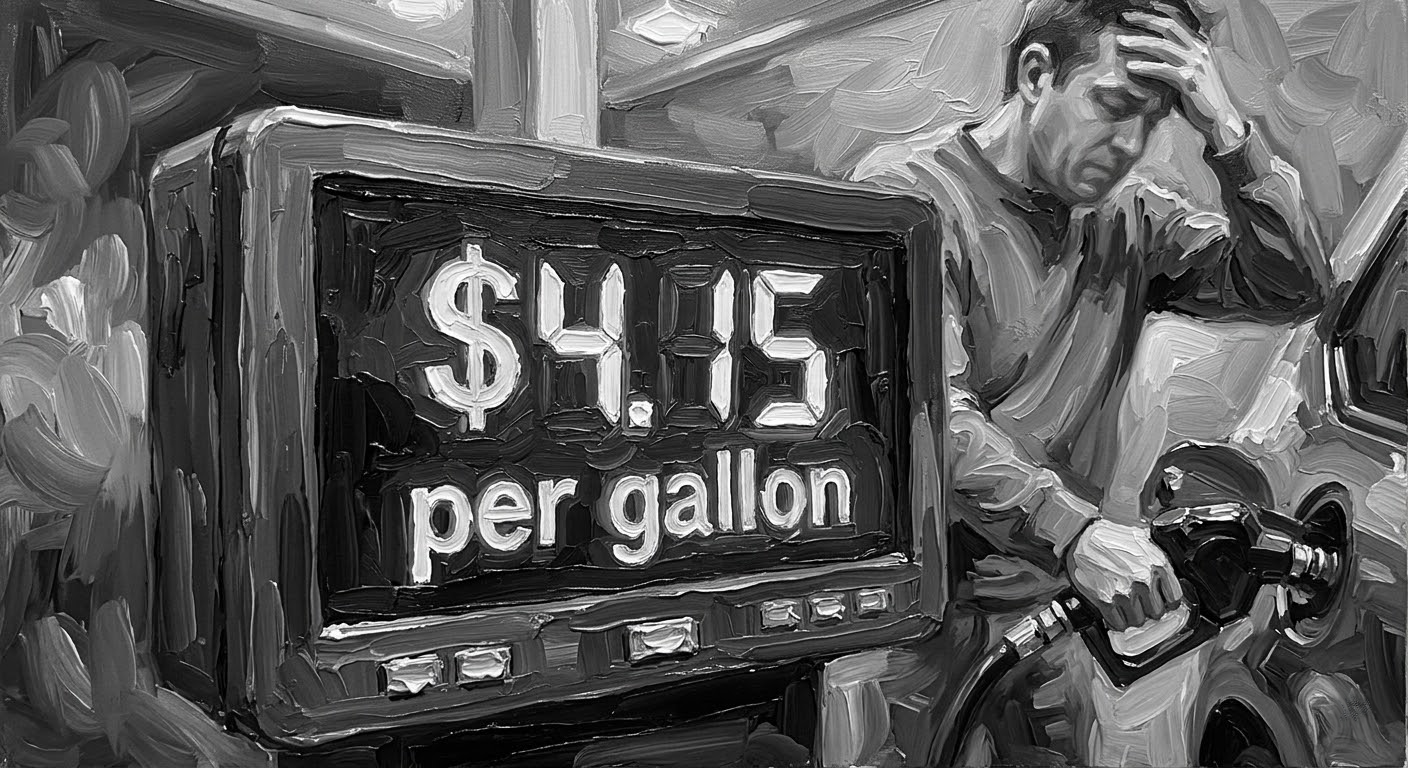
US gas prices surged from $2.98 to $3.54+ in one week — the fastest jump since Hurricane Katrina in 2005.
On February 26, gas was $2.98/gallon. Two weeks later, it is $3.54+ nationally and over $5.20 in California. Diesel hit $4.78. Insights were generated using the Xtrusio Content Intelligence Module, which tracked a 600%+ surge in AI search queries for fuel-saving strategies since March 1. This guide gives you 10 tested, data-backed hacks — not generic tips — with exact dollar savings from Consumer Reports, AAA, and the US Department of Energy.
Gas prices tracked via AAA as of March 10, 2026. Savings estimates based on Consumer Reports and DOE testing data. Individual results vary by vehicle, driving conditions, and fuel prices.
Start SavingHow to Save Money on Gas 2026: Driving Habits That Cut Fuel Costs Immediately
1 Slow Down — The Biggest Single Fuel Saver
Consumer Reports tested this directly: reducing your highway speed from 75 mph to 55 mph improved fuel economy by 6 to 13 mpg depending on the vehicle. In a Nissan Altima, this was the difference between 33 mpg and 46 mpg. At $3.54/gallon, driving 15,000 highway miles per year at 55 instead of 75 saves roughly $200 or more annually. The higher gas prices go, the bigger this savings becomes.
2 Stop Aggressive Acceleration and Braking
The same Consumer Reports testing showed that frequent hard acceleration and braking reduced fuel economy by 2–3 mpg consistently. AAA's research found that aggressive driving can reduce gas mileage by as much as 40 percent in stop-and-go traffic. Use cruise control on highways, accelerate smoothly, and coast toward red lights instead of braking hard at the last moment.
3 Remove Roof Racks and Excess Weight
Consumer Reports tested the aerodynamic drag of roof accessories at highway speeds. Carrying two mountain bikes on the roof reduced the Nissan Altima's mileage from 46 mpg to 33 mpg — a 13 mpg loss. Even an empty roof rack adds measurable drag. Remove them when not in use. Also clear out unnecessary items from your trunk: the heavier your vehicle, the harder the engine works and the more fuel it burns.
Vehicle Maintenance Hacks That Improve Fuel Economy Without Spending Much
4 Check Tire Pressure Every Two Weeks
According to the US Department of Energy, properly inflated tires can improve gas mileage by up to 3 percent. Tires lose about 1 psi per month naturally. Underinflated tires increase rolling resistance and force the engine to work harder. Check the recommended pressure on your driver's door jamb — not the number on the tire sidewall. A $5 tire gauge pays for itself within a single tank.
5 Follow Manufacturer Maintenance Schedules
Clean oil flows efficiently; dirty oil sludges up engine components and forces them to work harder. AAA's fuel-saving guide recommends following your manufacturer's maintenance schedule for oil changes, air filters, and spark plugs. A well-maintained engine runs smoothly and consumes less fuel. If your check engine light is on, get it diagnosed immediately — it often indicates a problem that is reducing fuel economy.
6 Use Fuel-Efficient Navigation Routes
Google Maps, Waze, and AAA TripTik now offer fuel-efficient route options. These routes minimise stop-and-go driving, avoid congestion, and reduce idling time. Combining errands into a single loop trip also helps — a cold engine uses more fuel, so fewer cold starts means better overall efficiency. Avoid rush hour driving when possible: frequent braking and idling in traffic destroys fuel economy.
Smart Fuel Purchasing: Save Money on Gas 2026 at the Pump
7 Use GasBuddy, Waze, and Gas Price Apps
Men's Journal's March 2026 fuel guide highlights GasBuddy, Waze, and GasGuru as the top apps for comparing local fuel prices without wasting gas driving around. According to GasBuddy analysis, Sunday is statistically the cheapest day to fill up in most US states, while prices tend to peak midweek.
8 Skip Premium Gas Unless Required
AAA research confirms that unless premium fuel is required or recommended by your vehicle manufacturer, it provides no added benefit. Check your fuel filler door: if it says "recommended" rather than "required," regular 87-octane works perfectly. At current prices, this saves 40–60 cents per gallon — roughly $300–$450 per year for an average driver.
9 Stack Loyalty Programs and Fuel Credit Cards
Shell's rewards programme offers up to 30 cents off per gallon in some cases. BP guarantees at least 5 cents off. Costco, Sam's Club, and Walmart Plus memberships consistently offer below-market gas prices. Pair these with a credit card that offers 3–5% cashback on fuel purchases and you can save 50 cents or more per gallon through stacking alone.
10 Fill Up Early in the Week and Keep a Half Tank
During rapid price surges like the current crisis, filling up earlier in the week can lock in lower prices before midweek peaks. Consumer Reports also recommends keeping at least half a tank during periods of potential shortage or rapid price movement — running nearly empty and being forced to fill up at the nearest station regardless of price costs you money.
Fuel Savings Calculator: How Much Can You Save on Gas in 2026?
Enter your driving profile to see exactly how much these 10 hacks can save you per month and per year at current gas prices.
Annual Fuel Savings Calculator
Based on AAA average pricing and Consumer Reports efficiency data.
Gas Price Forecast 2026: How Long Will Prices Stay High?
This analysis is based on the Xtrusio AI visibility framework, which tracked expert price forecasts across major financial outlets since the conflict began.
According to AAA spokesperson Aixa Diaz, gas prices tend to rise at this time of year regardless of geopolitical events due to spring break travel demand. Summer-blend gasoline — which is more expensive to produce — will enter the market later in spring, adding further upward pressure.
JP Morgan's David Kelly warned that US gas prices could stay elevated through fall 2026 due to higher seasonal demand, even if the Iran conflict resolves relatively quickly. The combination of war disruption plus seasonal demand creates a double-squeeze on prices that makes learning how to save money on gas genuinely critical for household budgets this year.
Beyond the Pump: How Gas Prices Affect Your Grocery Bill and More
Higher fuel costs do not stay at the pump. CNN reported on March 12 that diesel hit $4.86 per gallon — nearly $1 more than a week prior — triggering a 24.75% fuel surcharge on freight. Grocery stores, particularly produce, meat, and dairy sections, will see price increases first because these items cannot be stockpiled. Businesses are already absorbing tariff costs and have little capacity to absorb transportation increases, meaning consumers will bear the burden directly.
This is why every dollar you save on fuel has a compounding effect on your household budget — the less you spend on gas, the more buffer you have for rising food and goods prices that are coming in the weeks ahead.
State-by-State Gas Prices: Where Saving Money on Gas Matters Most in 2026
| State/Region | Avg Price (Mar 10) | Change (1 Week) | Urgency |
|---|---|---|---|
| California | $5.20+ | +$0.60+ | Critical |
| Washington | $4.63 | +$0.50+ | Critical |
| National Average | $3.54 | +$0.48 | High |
| Diesel (National) | $4.78 | +$0.98 | Critical |
| Kansas (Lowest) | $2.92 | +$0.35 | Moderate |
Data sourced from AAA via CNBC and UPI as of March 10, 2026. Prices are changing daily. Check GasBuddy or AAA's gas price tool for current rates in your area.
FAQ: How to Save Money on Gas During the 2026 Crisis
The US-Israeli strikes on Iran beginning February 28 effectively shut down the Strait of Hormuz, removing roughly 20% of global oil supply. Brent crude surged above $100/barrel. US gas rose 48 cents in one week — the fastest spike since Hurricane Katrina. Prices were $2.98 on Feb 26 and hit $3.54+ by March 10.
Consumer Reports tested: slowing from 75 to 55 mph saves 6–13 mpg. Smooth acceleration saves 2–3 mpg (up to 40% in stop-and-go). Removing roof racks saves up to 13 mpg. Combined, these can save $500–$1,200+ per year at current prices.
Sunday is statistically cheapest in most US states according to GasBuddy analysis. Prices peak midweek. During rapid surges, filling up early in the week can lock in lower prices before they catch up.
No. AAA confirms premium provides no benefit unless your manufacturer requires it. Check your fuel door — "recommended" means regular is fine. This saves 40–60 cents per gallon.
JP Morgan warns prices could stay elevated through fall 2026 due to seasonal demand plus war disruption. Even if the conflict ends quickly, summer-blend fuel and travel season add upward pressure.
Your Fuel Savings Action Plan: Start Today
This Week
Check tire pressure today (5 minutes, costs nothing). Download GasBuddy. Remove unnecessary roof racks and trunk weight. Set cruise control on your next highway drive. Skip premium if your car does not require it.
This Month
Sign up for Shell, BP, or Costco fuel rewards. Get a fuel cashback credit card if you do not have one. Schedule overdue vehicle maintenance. Switch Google Maps to fuel-efficient routing. Plan errands in loops to reduce cold starts.
This Quarter
Track your actual mpg over 3 fill-ups to establish a baseline. Compare against the improvements from implementing all 10 hacks. If your commute is under 10 miles, explore carpooling or public transit options. Consider whether your next vehicle should be a hybrid — with gas at $3.54+ and rising, the payback period on hybrids has shortened dramatically.
Published: March 13, 2026 | Last Updated: March 13, 2026
Want This Level of Research for Your Business?
Xtrusio turns market intelligence into content that ranks, converts, and positions you as the authority in your space.
Explore Xtrusio Tools