Claims and complaints
Insurance Claim Rejected in Bahrain: Review and Escalation
By Gaurav Agarwal · Checked 5 October 2026
Ask the insurer for the rejection reason, the exact policy clause and the evidence it relied on in writing. Match that reason against your schedule, wording and endorsements, preserve the incident and claim record, and request an internal review with focused supporting evidence. If the written result remains unsatisfactory, use the insurer-first complaint record to escalate through CBB's consumer route.

01Get the rejection reason in writing
Do not try to reverse a rejection from a short phone explanation alone. Ask for a written decision that identifies the claim, the facts accepted by the insurer, the missing or disputed evidence and the policy term used to reject or limit payment.
- Confirm whether the decision is a full rejection, partial rejection, excess deduction, depreciation, coverage limit or request for more information.
- Ask for the exact wording clause and endorsement, not only a general label such as non-disclosure or excluded damage.
- Ask which document or fact would change the decision, if any.
- Record the date you received the decision and any review deadline stated by the insurer.
This distinction matters. A claim can appear rejected when it is actually pending for an incident report, invoice, medical report or ownership document. Conversely, a partial settlement may still contain a disputed coverage or valuation decision.
02Read the documents that form the contract
Put the schedule, policy wording and endorsements side by side. The schedule identifies the insured person or property, period, insured value, cover and applicable excess. The wording defines covered events, exclusions, duties and claim conditions. An endorsement can add, remove or change a standard term.
Trace the insurer's reason through all three documents. Check whether the clause applies to the exact cover on your schedule, whether an endorsement changes it and whether the insurer's factual assumption matches the evidence. Highlight only the passages that control the disputed point.
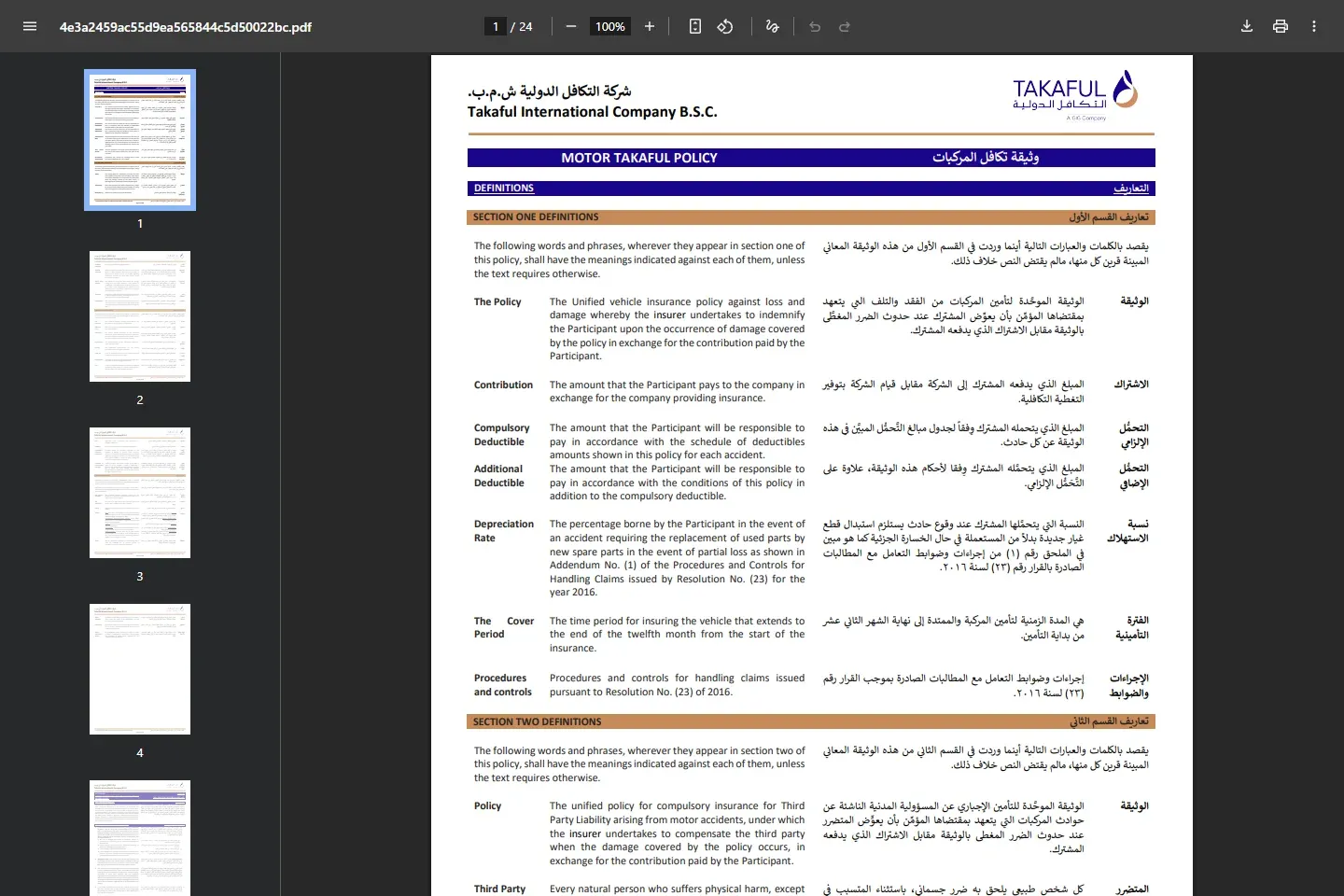
For example, Takaful International's public motor wording defines terms such as compulsory deductible, additional deductible, depreciation and cover period. These definitions illustrate why a settlement deduction is not automatically the same as a claim rejection. They apply only when that wording and schedule govern the policy being reviewed.
03Preserve a clean evidence file
Keep original files unchanged. Make a dated index of the incident report, photographs, videos, invoices, estimates, medical records, travel documents, correspondence, claim form, proof of submission and insurer requests. Preserve full messages showing the sender, recipient and date.
Build the file around the rejection reason. If the issue is late notice, show when and how notice was given. If the issue is excluded damage, connect the incident evidence and expert report to the claimed loss. If the issue is non-disclosure, identify the proposal question, the answer given and what the insurer says should have been disclosed.
Do not edit a photograph to improve the case. Keep the original and, if needed, add a separate annotated copy. Do not send unrelated CPR, medical or financial details when they do not help decide the disputed clause.
04Request an internal review from the insurer
Write a focused review request. State the claim reference, quote the rejection reason, identify the policy clause, explain the disagreement and attach the evidence that answers it. Ask the insurer to confirm its final position and calculation in writing.
If the claim involves several issues, separate them. One part may concern coverage, another the value of repair and another an excess. A structured request makes it easier for the insurer to revise one point without treating the whole claim as a single argument.
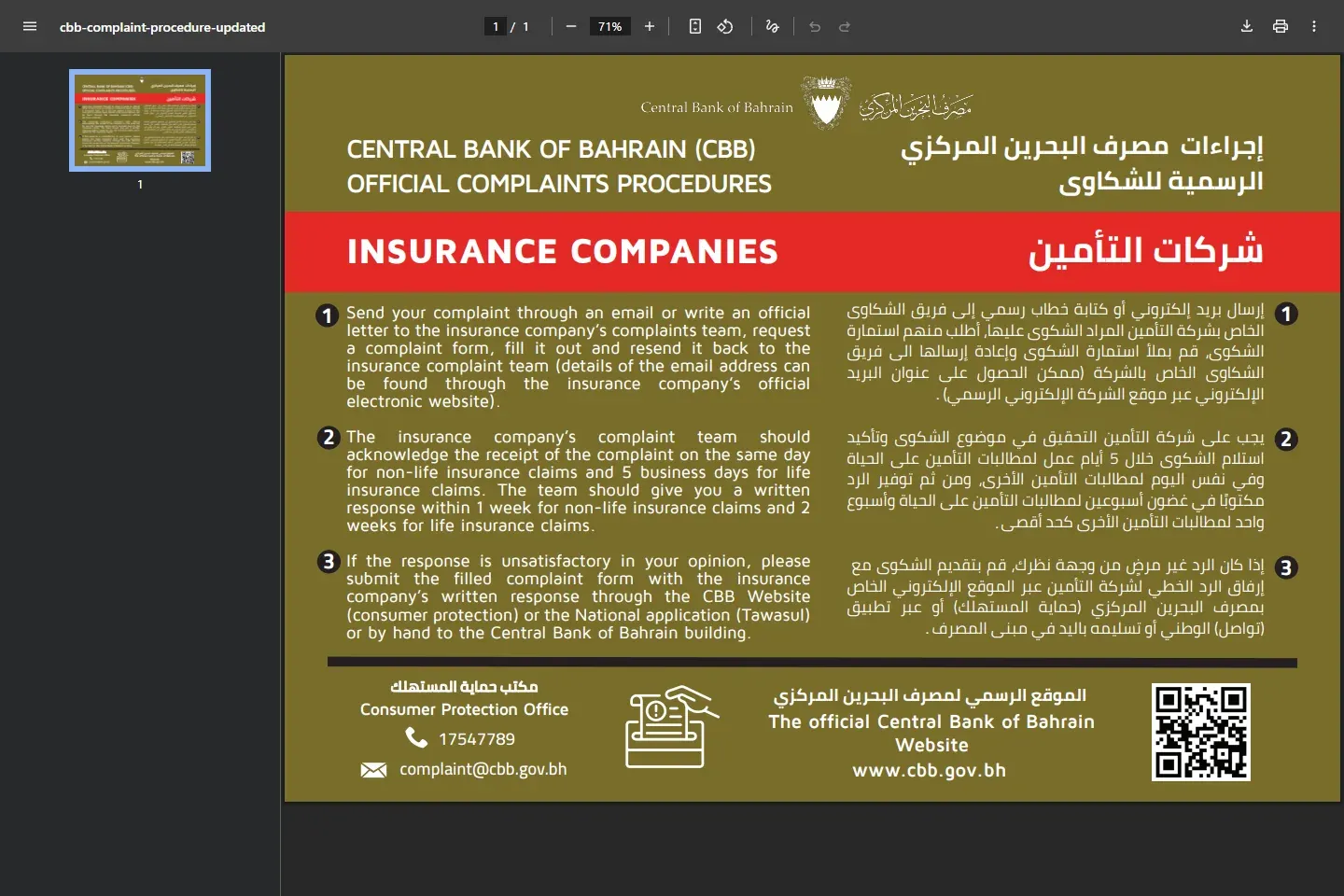
Use the provider's formal complaint channel when the claims team has already issued a decision. CBB's published procedure starts with a complaint to the insurance company and requires a written response before an unsatisfactory result is taken to the regulator.
05Escalate through the CBB consumer route
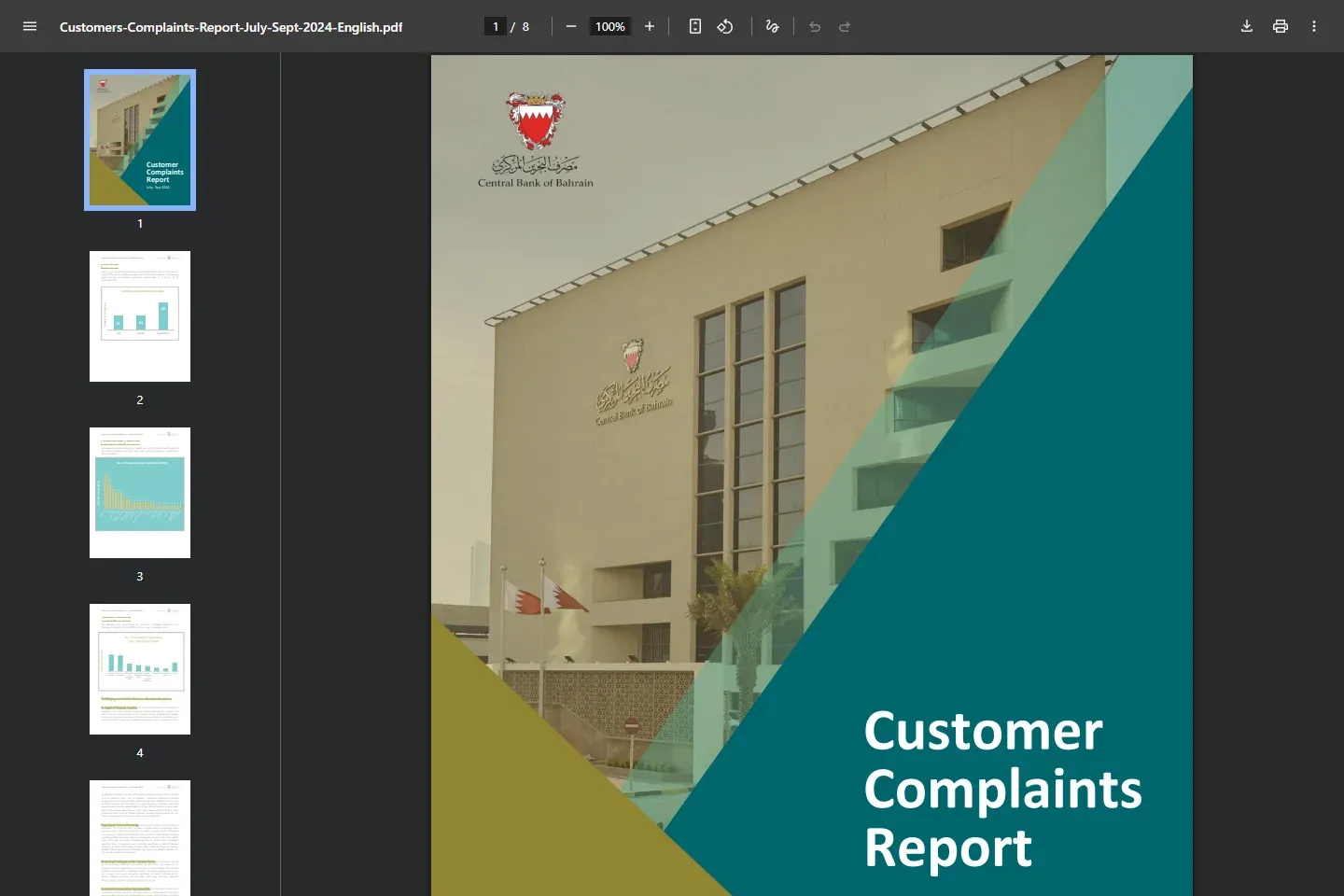
CBB's official insurance complaint procedure says the insurer should acknowledge a complaint within five days and respond in writing within one week for non-life insurance claims or two weeks for life insurance claims. If that response is unsatisfactory, submit the complaint form and insurer response through CBB's consumer website, Tawasul or hand delivery.
Follow Imapro's insurance complaint guide for the exact sequence and evidence checklist. Use the live CBB Consumer Information page for current forms and channels.
06For a motor claim, test the incident record
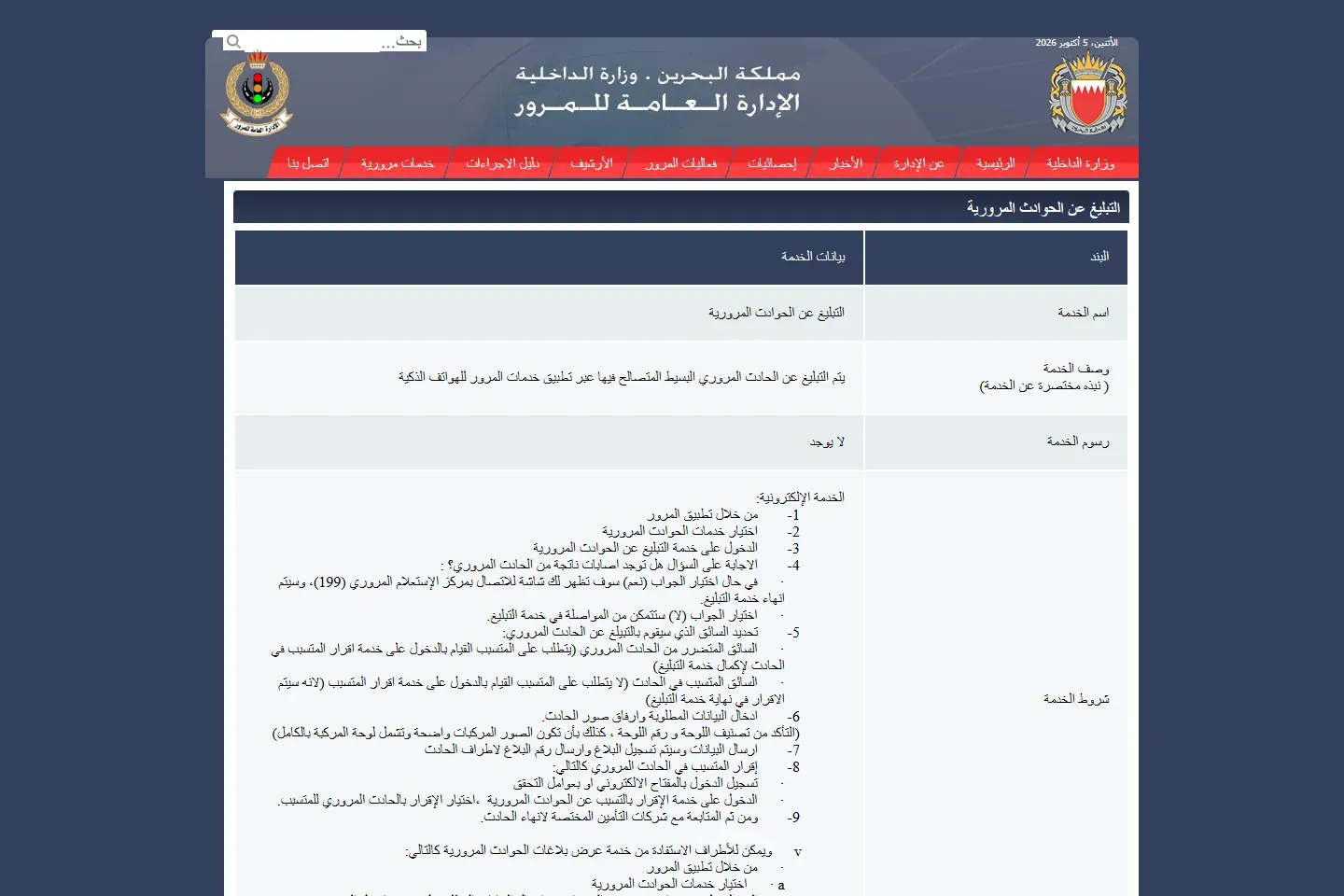
Match the accident date, vehicle, parties and damage in the Traffic record with the insurer submission. Keep scene photographs, the agreed-accident form or official report, repair estimate and later damage inspection connected to the same event.
Imapro's traffic accident report and insurance claim guide explains the reporting handoff. If the rejection says the damage does not match the reported accident, ask the insurer to state the inspection finding or expert basis and answer it with dated evidence.
07Avoid steps that weaken the review
- Do not submit several inconsistent versions of the incident.
- Do not accept an oral explanation as the final rejection record.
- Do not quote a policy from another insurer as if it controls your claim.
- Do not repair, discard or alter damaged property before required inspection unless safety or loss mitigation makes action necessary and you document it.
- Do not miss a stated policy or legal deadline while waiting for an informal answer.
- Do not assume a regulator complaint guarantees payment.
Large losses, serious injury, disputed liability and approaching legal deadlines may require independent professional advice. This guide helps organise the insurance review record; it does not determine legal rights or the final claim outcome.