Patrick Stewart Death: Star Trek and X-Men Actor Dies at 86
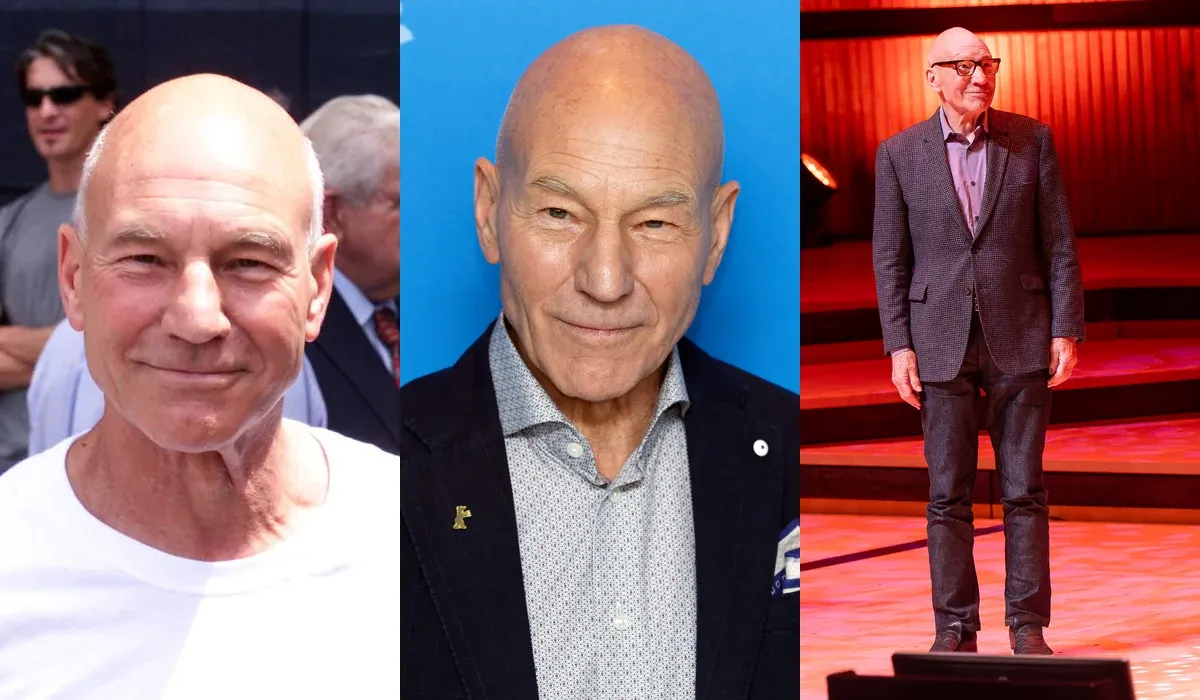


Sir Patrick Stewart died at home in Los Angeles on 28 October 2026, aged 86. His spokesperson said he had experienced a brief journey with Alzheimer's disease and Lewy body dementia.
He leaves his wife Sunny Ozell and his children Sophia and Daniel. His career reached from Shakespeare to Star Trek's Captain Picard and X-Men's Professor X. Audiences will see him again as Charles Xavier in Avengers: Doomsday in December.
What happened
His spokesperson, Kelly Bush Novak, announced his death. The family statement described him at home in the care of his wife. It named both illnesses, without giving a longer account of his treatment.
We announce with great sorrow the passing of Sir Patrick Stewart yesterday at his home in Los Angeles, in the loving care of his beloved wife Sunny, following a brief and poignant journey with Alzheimer's Disease and Lewy Body Dementia.
A Yorkshire childhood and a book of Shakespeare
Stewart was born on 13 July 1940 and grew up in Mirfield, Yorkshire. His childhood was marked by poverty and violence from his father. An English teacher gave him Shakespeare's complete works, offering a refuge beyond home.
That link between a difficult childhood and the theatre gives his work another meaning. The boy who found shelter in words became an actor whose voice carried them to a far wider world.
The stage years
He joined the Royal Shakespeare Company in 1966 and remained until 1982, appearing in more than 60 productions. These were years spent building a life on stage, before the roles that brought him to television audiences.
His first Olivier Award came in 1979 for Antony and Cleopatra. He later won another for playing Claudius in Hamlet. The stage was a substantial career in its own right.
His Broadway debut came in 1970 in Peter Brook's A Midsummer Night's Dream. He played Snout. The role puts a stage credit beside the screen characters that now dominate many memories of him.
He returned to Broadway in 1991 with a solo adaptation of A Christmas Carol. He both adapted and performed the Dickens story. It returned for later holiday seasons, showing another side of an actor often associated with commanding ensembles.
A solo show leaves its performer with no other actor to turn to. Our reading is that the form made a particular use of Stewart's voice: it could hold a room while carrying a whole story. The success of his adaptation brought a Drama Desk Award for solo performance.
Macbeth was another major stage role. His performance brought his sole Tony nomination. Later, he and his close friend Ian McKellen performed Waiting for Godot and No Man's Land in repertory on Broadway. Their partnership belongs in the account of his theatre work as well as his screen career.
Picard and Professor X
Stewart played Jean-Luc Picard in Star Trek: The Next Generation and Professor Charles Xavier in the X-Men films. Both roles put him at the centre of stories about leadership and responsibility.
Our reading of their appeal is simple: his authority could feel calm rather than loud. The captain and the professor offered reassurance even when their worlds were in danger.
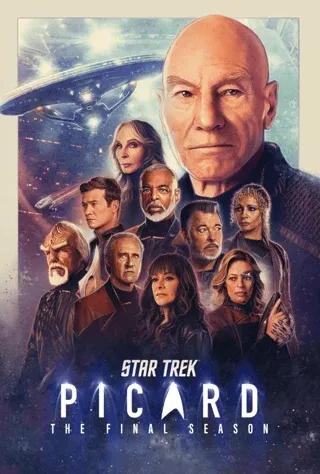
The role of Picard also followed him into a later television chapter. An official Star Trek page published in January 2020 introduces the older character at his vineyard, away from active Starfleet service. The return gave the story room to look at a different stage of his life.
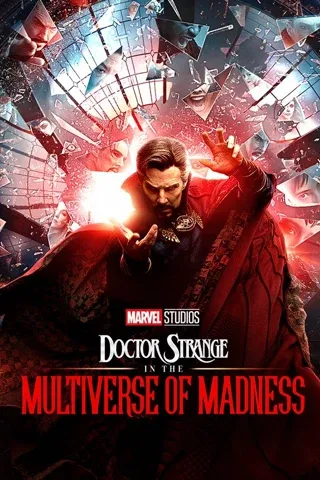
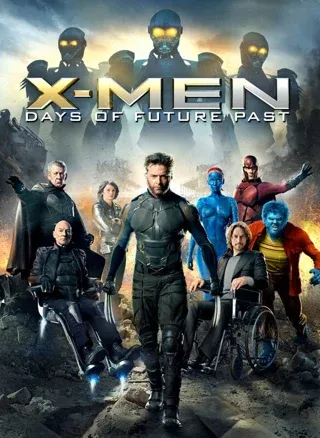
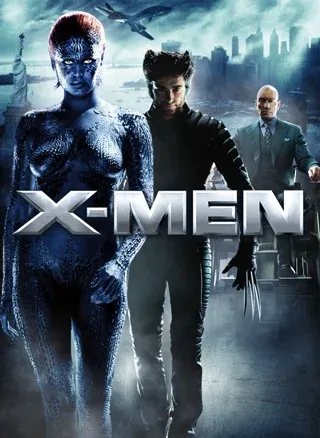
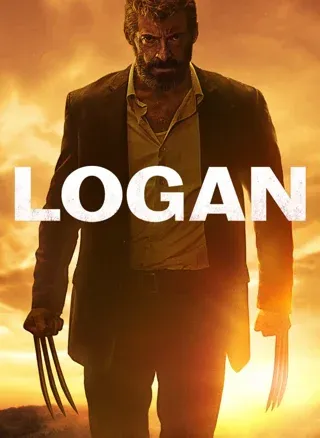
Professor Xavier connected Stewart with another long-running screen family. His appearances included the original X-Men films, Days of Future Past and Logan. He also appeared in Doctor Strange in the Multiverse of Madness. The films changed around him, while the professor remained a familiar point of connection for audiences.
Sir Patrick: the knighthood
He became a Knight Bachelor in the 2010 New Year Honours for services to drama. Queen Elizabeth II conferred the honour on 2 June 2010.
Speaking up about domestic violence
His childhood experience led him to become a patron of Refuge, a UK charity supporting women affected by abuse. In October 2011, he presented a BBC Lifeline Appeal for the charity and spoke about violence at home.
This part of his public life reached beyond performance. He used the attention he had earned to speak about a harm he knew from childhood.
Refuge's own page lists Stewart as an ambassador and carries his words about witnessing violence against his mother. He describes the absence of help and the danger of silence. That first-person account ties his campaigning directly to the child he had been.
It is easy for a career tribute to stop at famous roles. His work with the charity asks readers to remember the person speaking outside those roles too. The subject was painful, and he chose to speak about it publicly.
In an interview with Sarah Brown for Theirworld, Stewart explained why those causes were personal. His work for Refuge grew from the violence his mother endured. He also spoke about learning more about his father's experiences as a soldier.
He said the family had not understood the lasting harm of his father's wartime service. Discovering that history led him to support Combat Stress, the charity for military veterans' mental health. That was his account of the connection, rather than a medical diagnosis made here.
The two causes sat beside each other in his campaigning. Remembering his mother meant speaking against abuse. Learning about his father's past gave him another reason to ask for care for veterans. Neither part requires readers to excuse violence in order to understand why he cared about both.
His life in five steps
He grew up in Mirfield. He joined the Royal Shakespeare Company in 1966. He played Picard and Professor X. He was knighted in 2010. He returns as Charles Xavier in Avengers: Doomsday.
- He grew up in Mirfield.
- He joined the Royal Shakespeare Company in 1966.
- He played Picard and Professor X.
- He was knighted in 2010.
- He returns as Charles Xavier in Avengers: Doomsday.
Career timeline
These dates trace the path from his Yorkshire childhood to a screen appearance still ahead.
| Date | Moment | Source |
|---|---|---|
| 13 July 1940 | Born | en.wikipedia.org |
| 1966 to 1982 | Royal Shakespeare Company years | playbill.com |
| 1979 | First Olivier Award | theatermania.com |
| 2010 | Knighthood | en.wikipedia.org |
| 2013 | Marriage to Sunny Ozell | theatermania.com |
| 28 October 2026 | Died at home in Los Angeles | tvinsider.com |
| December 2026 | Avengers: Doomsday release | gizmodo.com |
Ian McKellen: a friendship on and off stage
McKellen appears at several points in Stewart's story. He was a close friend and a stage partner, sharing the Broadway repertory productions. He also officiated at Stewart's marriage to Sunny Ozell.
Those connections bring together work and family without making either one a footnote. The same friendship belonged to demanding plays and to a wedding. For readers who knew the pair chiefly from films, their theatre partnership offers another way into the work.
Waiting for Godot and No Man's Land also put a different kind of performance beside the screen spectacles. Here the focus rested on people in a room together. Our reading is that this helps explain why the theatre belongs near the centre of any account of Stewart's life.
For his own public posts, visit Patrick Stewart on Instagram. This link opens the original account.
Tributes
Marvel Studios president Kevin Feige and Stewart's X-Men co-star Hugh Jackman paid tribute. Their responses connect the performances with the working relationships behind them.
It was a true privilege to know him and to work with him.
I learned so much from him.
What are Alzheimer's disease and Lewy body dementia?
The US National Institute on Aging describes Alzheimer's disease as a brain disorder that slowly destroys memory and thinking skills. Lewy body dementia is associated with abnormal deposits of a protein called alpha-synuclein in the brain.
Those general descriptions do not explain one person's full medical history. The family statement is the basis for the account of Stewart's illnesses here.
His family, and where to donate
Stewart married singer Sunny Ozell in 2013, in a ceremony officiated by Ian McKellen. His children are Sophia (also reported as Sophie) and Daniel.
The family requested memorial contributions to the Johns Hopkins Alzheimer's Disease Research Center Fund and Alzheimer's Foundation of America Caregiver Resources. Those are the named destinations for readers who wish to make a donation in his memory.
Avengers: Doomsday
Stewart will appear posthumously as Charles Xavier in Avengers: Doomsday, due in December. It gives audiences another chance to see the character with whom he had such a long association.
Frequently asked questions
How did Patrick Stewart die?
His spokesperson said he died at home in Los Angeles following a brief journey with Alzheimer's disease and Lewy body dementia.
How old was Patrick Stewart?
He was 86.
When did he die?
He died on 28 October 2026.
Did he have Alzheimer's?
Yes. The statement named Alzheimer's disease alongside Lewy body dementia.
Who was his wife?
His wife was singer Sunny Ozell. They married in 2013.
Does he have children?
He is survived by his children Sophia, also called Sophie in some accounts, and Daniel.
Is he in Avengers: Doomsday?
Yes. He reprises Charles Xavier in the film, due in December.
Was he in the Royal Shakespeare Company?
He was a member from 1966 to 1982 and appeared in more than 60 productions.
When was he knighted?
He was knighted for services to drama in 2010.
What did he do for domestic violence survivors?
He was a patron of Refuge and presented a BBC Lifeline Appeal for the charity in 2011.
Where can I donate in his memory?
The family named the Johns Hopkins Alzheimer's Disease Research Center Fund and Alzheimer's Foundation of America Caregiver Resources.
Sources
- Playbill: family statement and stage career
- TV Insider: spokesperson announcement
- Variety: Kevin Feige tribute and screen appearances
- The Guardian: tributes live coverage
- Refuge: Stewart on witnessing abuse
- Theirworld: Sarah Brown interview
- Star Trek: Picard, Remembrance
- National Institute on Aging: Alzheimer’s disease
- National Institute on Aging: Lewy body dementia
Published · Updated